Guide
Is condensation the landlord's responsibility? (UK renters)
Who has to deal with condensation, damp and mould in a rented home in England – what's on you, what's on your landlord, and how to report it.
Ad – this guide contains affiliate links. If you buy through them we may earn a small commission, at no extra cost to you. How we make money.

The short answer: it's shared. You're expected to do the everyday things that keep moisture down – ventilating, using extractor fans, not drying washing on radiators. But if condensation keeps turning into damp and mould despite that, the cause is usually something about the home – poor ventilation, heating or insulation, or a building defect – and finding and fixing that is your landlord's job. Government guidance for landlords in England says it is "totally unreasonable" to blame damp and mould on tenants' "lifestyle choices".
Here's how the responsibilities split, how to report a problem so it gets fixed, and what's changing.
What counts as condensation – and what doesn't

Shelter describes three kinds of damp, and who usually deals with each:
- Condensation – moisture in the air meeting a cold surface like a window or outside wall. You're expected to take practical steps. If those don't help, Shelter says the landlord should check why the home can't cope with everyday living and fix the underlying cause, such as ventilation or insulation.
- Penetrating damp – water getting in from outside through a leaky roof, faulty guttering or cracked walls. Shelter says this will usually be the landlord's responsibility, including making good any damage.
- Rising damp – groundwater soaking up into bricks or concrete, often in basements and ground-floor rooms. Again, generally the landlord's to fix.
Leaking internal pipes, broken boilers and extractor fans that the landlord installed but that don't work are also on the landlord, according to Shelter.
A digital hygrometer
A small humidity and temperature monitor shows which rooms are worst and when. A log of dated readings alongside photos is useful evidence that you're ventilating and the problem persists anyway.
Your part: the everyday habits
Small changes in how a home is used can help, though government guidance says they should never replace fixing the root cause. The habits landlords and advice services usually ask for:
- Open windows or trickle vents when you can, and run extractor fans when cooking and showering.
- Cover pans, and keep the kitchen and bathroom doors shut while they're steamy.
- Dry washing in one ventilated room, not on radiators – see how to dry clothes in a flat without a balcony.
- Keep furniture a few centimetres away from cold outside walls.
- Wipe condensation off windows and sills each morning.
- Report problems promptly, and let your landlord in to inspect at an agreed time.
Shelter also says landlords shouldn't tell you to stop everyday activities like cooking or showering, dismiss a problem as "just condensation" without checking, or tell you to paint over mould that keeps coming back.
A compact dehumidifier
In a flat with poor ventilation, a 10–12 litre compressor dehumidifier keeps humidity down while you wait for repairs – and protects your belongings. Our dehumidifier guide for rented flats compares models.
A desiccant dehumidifier for cold rooms
Desiccant models keep working better in unheated rooms than compressor models, which suits a cold bedroom or box room. They use more power, so they're best for the coldest room rather than the whole flat.
A window vacuum
Sucks the morning condensation off glass and sills in seconds, so water doesn't soak into frames and sealant. A rubber squeegee and cloth do the same job more slowly.
Microfibre window cloths
A stack of absorbent cloths kept on the windowsill makes the morning wipe-down easy. Wash and dry them so they don't become a damp source themselves.
Your landlord's part

Government guidance aimed at both social and private landlords in England says landlords are "legally responsible for addressing damp and mould" whatever type it is, should tackle the underlying cause promptly, and warns that "simply removing surface mould will not prevent the damp and mould from reappearing".
Under the Homes (Fitness for Human Habitation) Act 2018, a rented home in England must be fit to live in, and the GOV.UK guide for tenants lists "damp and mould growth" among the hazards that can make it unfit. The landlord may not have to fix problems caused by a tenant behaving irresponsibly – which is why the everyday habits above, and a record of them, matter.
Shelter says the landlord must try to find out what's causing the damp, should ask a damp surveyor if they can't, and that you don't pay for this. Improvements such as extra insulation aren't usually required, but might be if repairs don't work. Shelter also says landlords should check whether damp and mould come back at least six weeks after repairs.
Mould cleaner for small patches
For a small patch of surface mould, a mould and mildew spray keeps it from spreading while the cause is investigated. Photograph it before you clean, wear gloves, ventilate, and follow the label. It treats the symptom, not the cause – keep reporting it.
Moisture absorber tubs
Cheap crystal tubs for wardrobes and cupboards on outside walls, where clothes and shoes are most at risk. They won't fix a damp room, but they help protect your belongings.
How to report damp and mould

- Tell your landlord or letting agent in writing. The GOV.UK guide for tenants says email or text is fine if you keep the messages. Shelter has a template letter for repairs.
- Gather evidence. Dated photos, humidity readings, and notes of damaged belongings and any effect on your health.
- Allow access and a reasonable time. Agree a date and time for inspection.
- Chase in writing and keep copies of every reply, call and visit.
- Contact your council if nothing happens or the problem is serious. Its environmental health team can inspect at no cost and can order the landlord to act.
Shelter warns not to move out without somewhere to go, and to get advice first. Claims for damaged belongings or health problems need evidence; Shelter says there are at least three years to start a claim. For advice on your own situation, contact Shelter, Citizens Advice or your council. Rules differ in Scotland, Wales and Northern Ireland.
What's changing: Awaab's Law for private renters

Awaab's Law already sets fixed deadlines for social landlords to investigate and fix hazards such as damp and mould. On 9 October 2026 the government opened a consultation on extending it to private rented tenancies and licences. It runs until 18 December 2026, and regulations will be needed before it applies to private renters – so as of October 2026 there's no fixed start date.
The consultation uses the social housing rules as its starting point, including investigating within 10 working days of becoming aware of a potential hazard and making safe within 5 working days of the investigation. Those timescales aren't yet law for private landlords. We'll update this page when the government publishes its response.
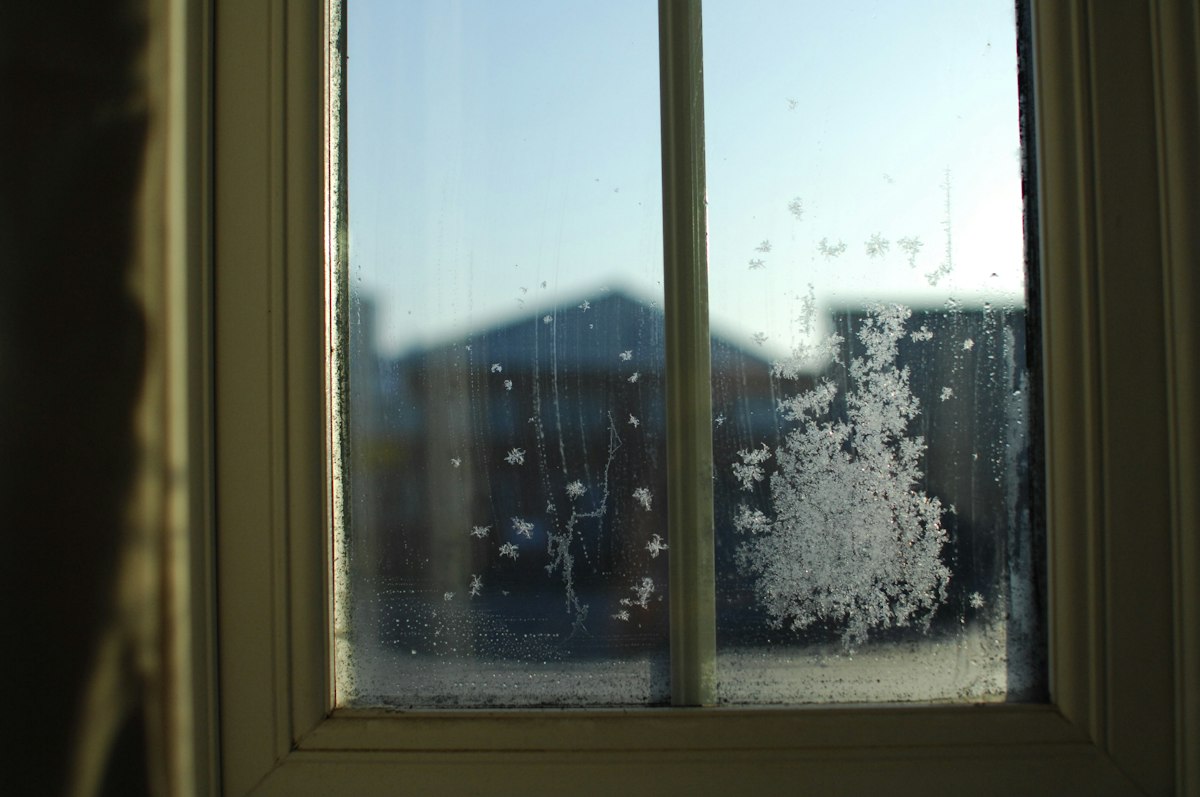
Cold glass is where condensation forms first. Our guide to staying warm in a cold rented flat covers renter-friendly ways to keep rooms warmer without changing the heating.
Get our free Winter Damp & Warmth Checklist
A two-page printable: daily habits that cut condensation, renter-friendly draught-proofing, heater safety and what to report to your landlord. Pop your email in and we'll send it over, plus the occasional renter-friendly guide. Unsubscribe any time.
Sources
- Shelter England – Damp and mould in rented homes
- GOV.UK – Understanding and addressing the health risks of damp and mould in the home
- GOV.UK – Guide for tenants: Homes (Fitness for Human Habitation) Act 2018
- GOV.UK – Extending Awaab's Law to private rented tenancies and to licences (consultation, October 2026)