Guide
How to stay warm in a cold rented flat (UK)
Free fixes, cheap draught-stoppers and the best-value heated buys for UK renters who can't change the heating or the windows.
Ad – this guide contains affiliate links. If you buy through them we may earn a small commission, at no extra cost to you. How we make money.
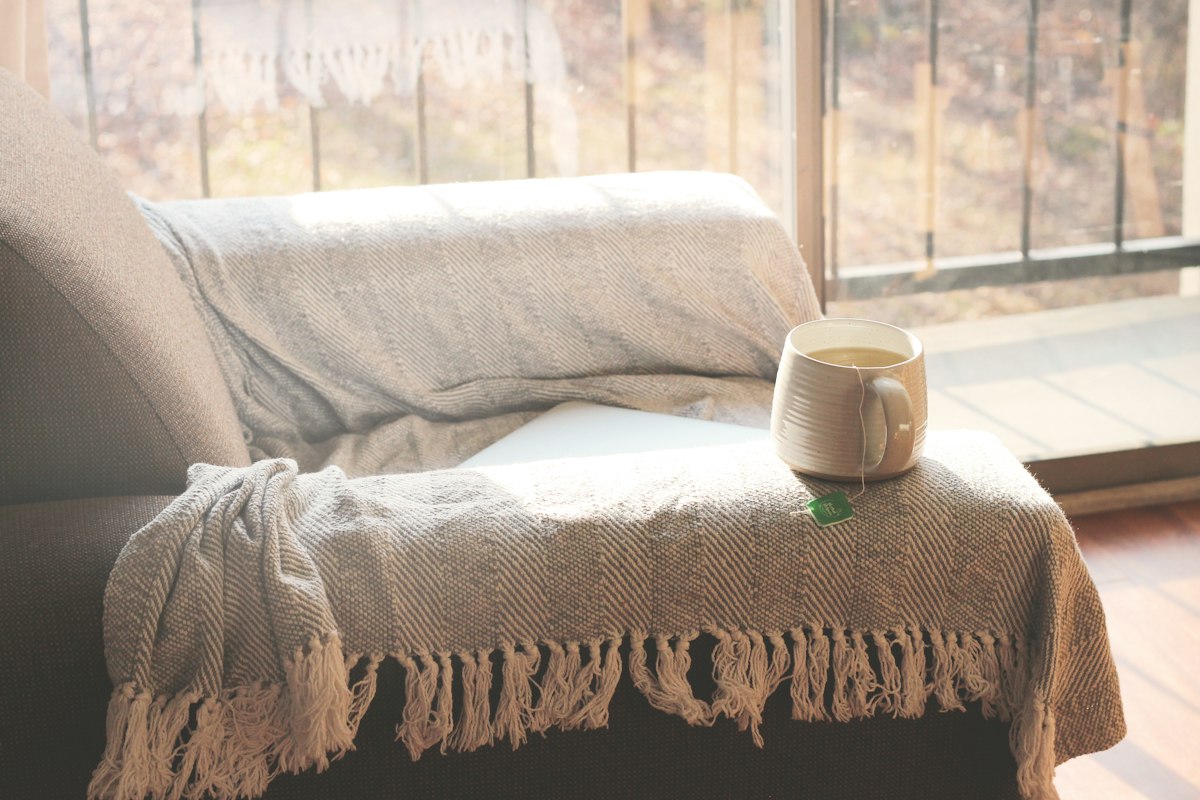
When you rent, you can't swap the boiler, fit new windows or lay insulation. What you can do is stop draughts, hold on to the heat you already pay for, and warm yourself rather than the whole flat. Start with the free and cheap fixes below, then add one or two bigger buys where you feel the cold most. Everything here comes with you when you move.
Stop the draughts
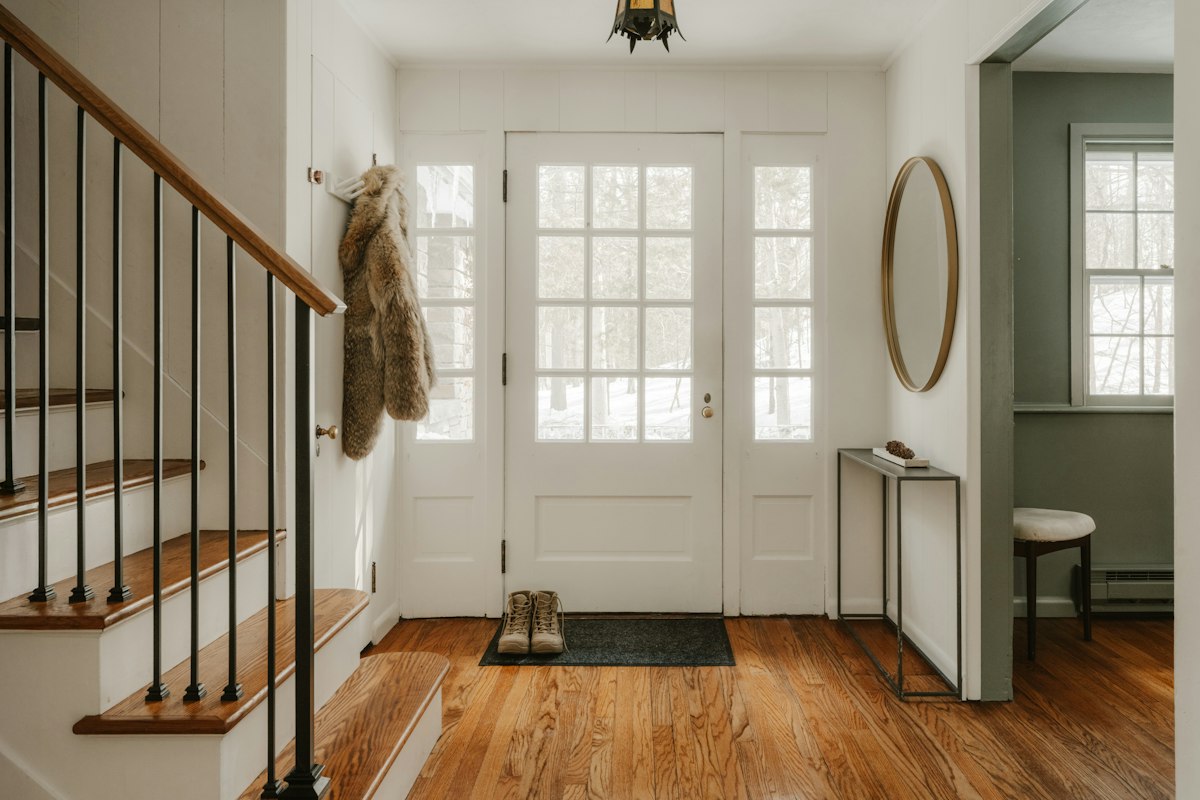
Uswitch, citing the Energy Saving Trust, says draught-proofing windows, doors, floors and any open chimney could save up to £100 a year on heating. In a rental, stick to the versions that sit in place or peel off cleanly.
Door draught excluders
A fabric sausage or a twin-sided excluder that slides under the door blocks the gap at floor level with no fixings. Twin-sided ones move with the door, so you don't have to nudge them back into place. Usually a cheap buy.
Removable window insulation film
A clear film stuck to the window frame with double-sided tape and tightened with a hairdryer traps a layer of still air, a bit like temporary secondary glazing. Test the tape on a hidden corner of the frame first, and take it down slowly in spring.
Letterbox and keyhole covers
Uswitch suggests a letter plate with brush seals, or a cover that drops a disc over the keyhole. In a rental, look for an internal letterbox draught cover that pushes or sticks on, and ask before you swap any hardware.
A thermal door curtain
A heavy curtain over the front door or a draughty hall doorway is one of the bigger wins in an old flat. Hang it from a strong tension rod inside the frame or an existing rail, rather than drilling for a new pole. Typically a mid-priced buy.
If you have an open fireplace you don't use, a removable chimney balloon blocks the draught without any permanent change. Ask your landlord first, and take it out before lighting a fire.
Keep the heat in
Thermal blackout curtains
Lined curtains slow heat loss through single glazing or tired double glazing at night. Close them at dusk and open them on sunny days to let the light in. Check the width of the existing rail and measure the drop, and Uswitch advises not letting curtains hang over a radiator, so the heat stays in the room rather than behind the fabric.
A large rug over bare floors
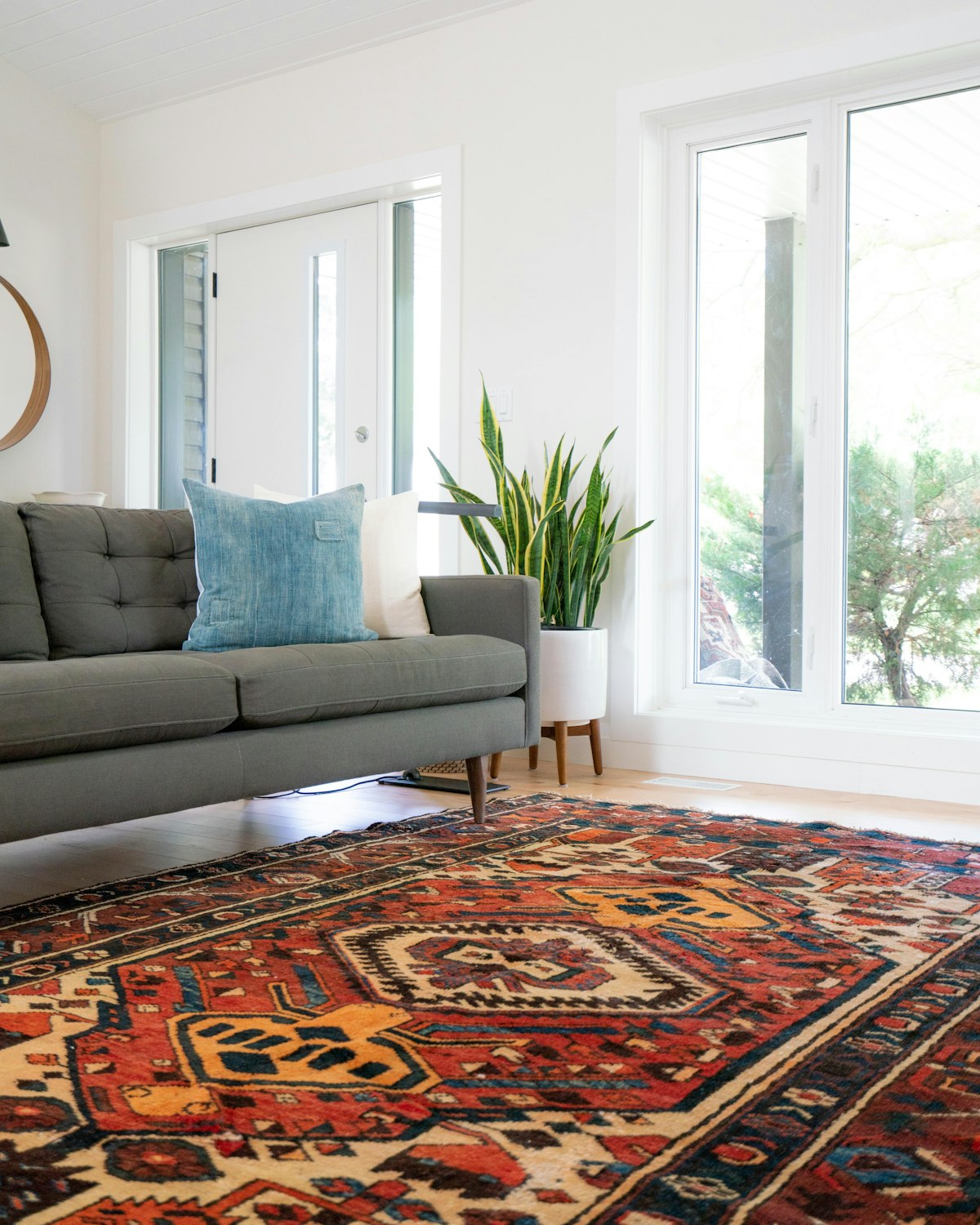
Laminate and floorboards feel cold underfoot, and gaps between boards let in draughts. A big, thick rug with a non-slip underlay makes a room feel warmer straight away and protects the landlord's floor too. Large rugs are often one of the pricier buys here, so measure the room first.
Radiator reflector panels
Foil-backed panels sit behind a radiator on an outside wall and reflect heat back into the room. Choose a slide-in or magnetic type that needs no adhesive or screws, and switch the heating off before fitting.
Warm the person, not the room
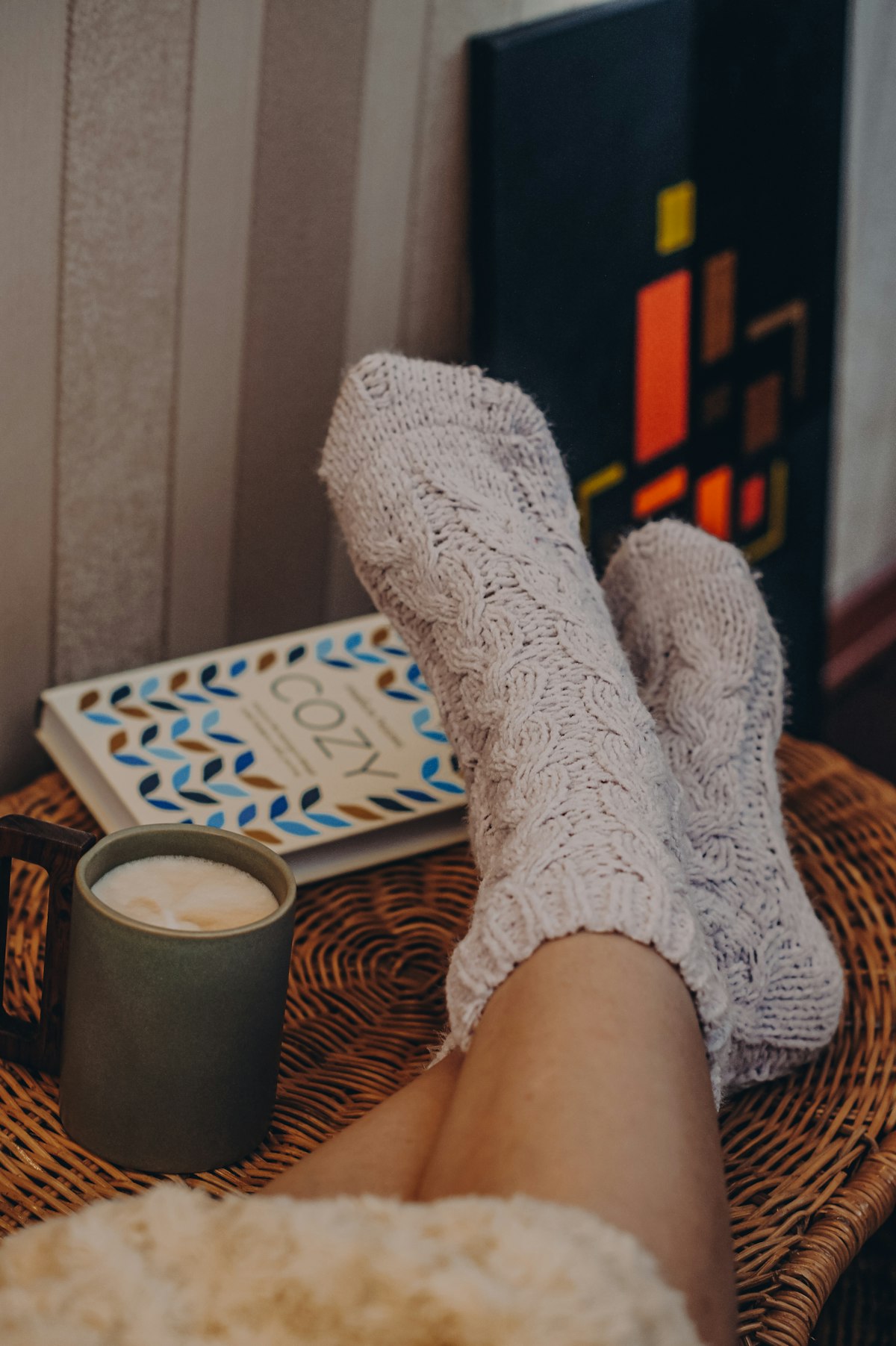
Heating your body directly is usually far cheaper than heating air. According to Which?, heated throws cost around 2p–4p an hour on their highest setting, at a unit price of 24.67p/kWh, and the electric blankets it tested cost roughly 2p–7p an hour at 27.69p/kWh.
An electric blanket
Warms the bed before you get in, so you can keep the bedroom cooler. Which? tested electric blankets ranging from around £35 to £150 – check current prices. Look for multiple heat settings and an auto-off timer, and buy from a reputable UK retailer: Which? warns that unsafe blankets have turned up on some online marketplaces.
A heated throw
The sofa version: wrap up for an evening without heating the whole flat. Which? tested heated throws priced from £60 to £150 at the time of writing – check current prices. A long cord and a detachable controller (so it can go in the washing machine) make life easier.
A hot water bottle with a knitted cover
The cheapest heat there is: Which? puts it at around 1.8p an hour once you've boiled the kettle. Which? also advises letting the water cool for at least five minutes and filling only about two-thirds full, as boiling water wears the rubber.
Thermal layers and slippers
A thin thermal base layer, warm socks and slippers with a solid sole make a bigger difference than another jumper. Heated slippers or a foot warmer help if you work from a cold desk.
Extra heat when you need it
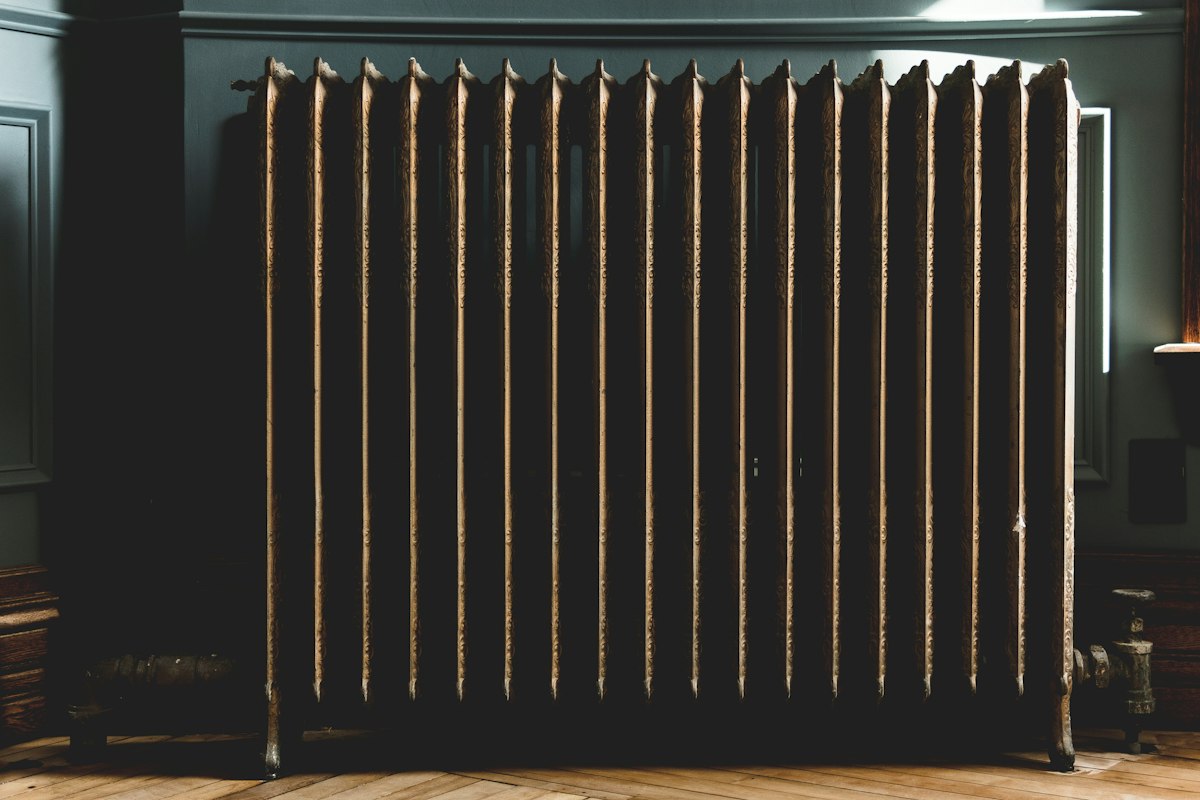
A plug-in heater turns electricity into heat, so the running cost depends mainly on its wattage and how long it runs. Which? says portable electric heaters can cost anything from 8p to 80p an hour on full blast, based on the October 2026 price cap unit rate of 26.32p/kWh.
An oil-filled radiator with a thermostat and timer
Slow to warm up, but it keeps giving off gentle heat after it switches off, which suits a bedroom or living room you sit in for hours. A thermostat stops it running flat out once the room is warm, and a timer means you wake up to a warmer room. Wheels help in a small flat.
A fan heater for short bursts
Cheaper to buy and quick to warm a small space. Which? notes that electric heaters are cheaper for a short-term blast in a small area – handy for a cold bathroom or ten minutes before bed.
Plug heaters straight into a wall socket, not an extension lead or adaptor, and never into a coiled cable drum. Choose a model with overheat and tip-over protection, keep it at least a metre from curtains, bedding and furniture, never dry clothes on it, and switch it off when you go out or go to bed, unless the manufacturer says it's designed for overnight use. Always follow the manufacturer's instructions.
Electric blanket safety: fire services advise checking blankets regularly for fraying, scorch marks, exposed wires, a worn cord or loose connections, and replacing any blanket more than ten years old. Store it flat or rolled, not folded, and unplug it before you sleep unless it's designed for overnight use.
Talk to your landlord
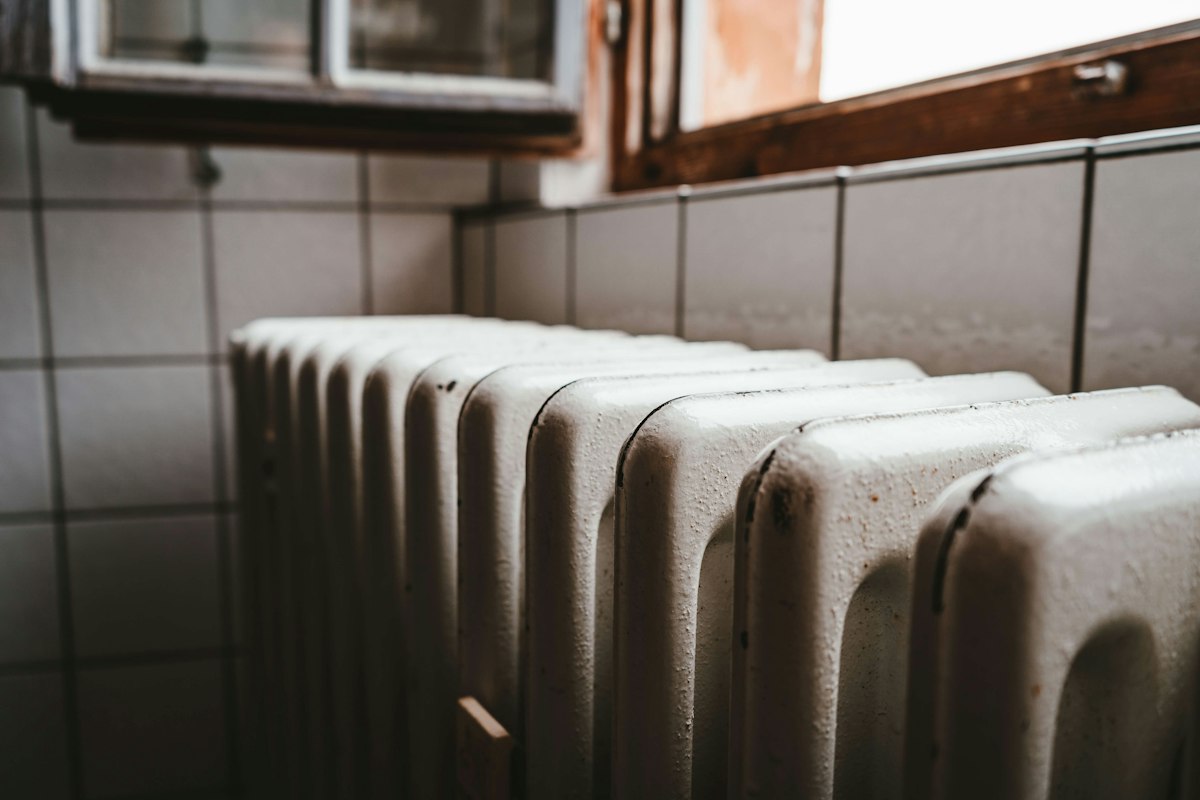
Some cold is the flat's fault rather than yours. According to Shelter, landlords are generally responsible for repairs to heating and hot water, boilers, and doors and windows. The exact rules vary between England, Scotland, Wales and Northern Ireland, so check current advice from Shelter or Citizens Advice for where you live.
- Report broken heating, a failing boiler or rotten, badly fitting windows as soon as you notice.
- Put it in writing – an email is fine – so you have a dated record. Note when you reported it and what was said.
- Take photos or short videos of the problem, such as condensation, gaps around frames or a radiator that stays cold.
- Ask in writing before you fix anything to the walls or frames, even something small.
If the flat is in a poor state and repairs aren't happening, Shelter has template letters for asking your landlord for repairs, and your local council may be able to help.
Sources
- Which? – Best electric blankets
- Which? – Best heated throws
- Which? – Hot water bottle or electric blanket: what's best and cheapest?
- Which? – Electric heater reviews
- Uswitch – Energy price cap October 2026
- Uswitch – Draught-proofing guide
- Greater Manchester Fire and Rescue Service – Electric blankets
- Hertfordshire Fire and Rescue Service – Portable heater safety
- London Fire Brigade – Don't overload sockets
- Shelter England – Landlord and tenant responsibilities for repairs