Guide
Heated clothes airers for small flats (UK)
No garden, no tumble dryer? How to choose a heated clothes airer for a small UK flat – types, running costs, safety and avoiding damp.
Ad – this guide contains affiliate links. If you buy through them we may earn a small commission, at no extra cost to you. How we make money.
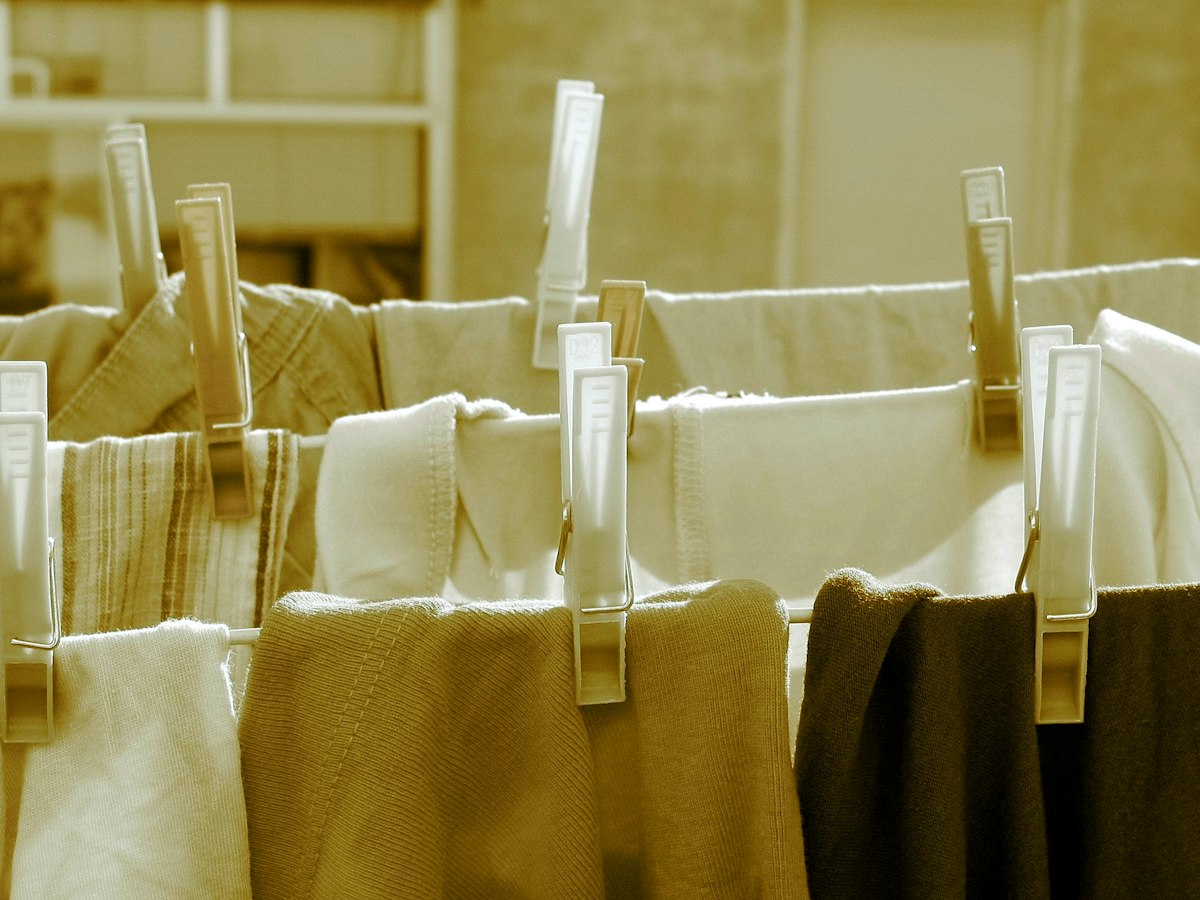
In a rented flat with no garden and no tumble dryer, winter washing ends up on every radiator and chair back. A heated airer is the usual middle ground: it plugs into a normal socket, warms its rails gently and folds away afterwards. Which? found the best models cost as little as 4p an hour to run, and the most costly around 29p. Here's how to pick one that suits a small space, and how to use it without inviting damp.
The main types of heated airer
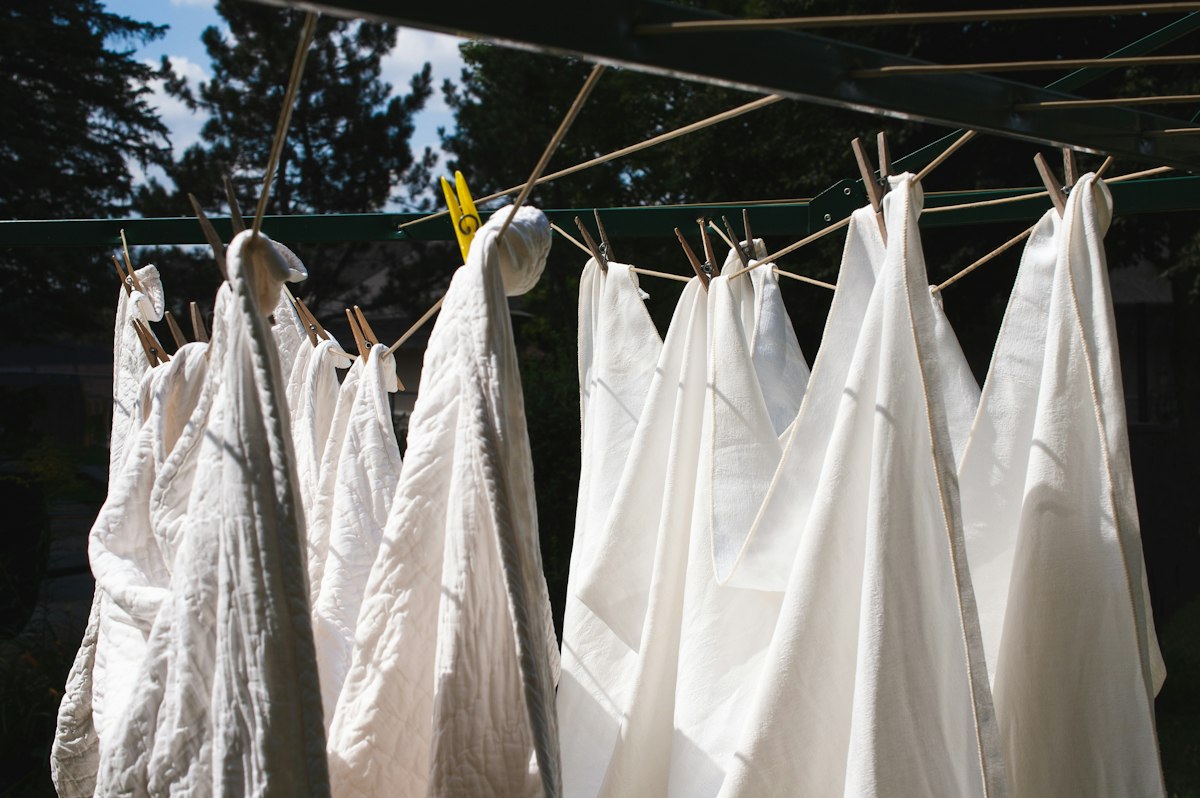
Winged heated airer
A flat central section with fold-down wings either side – the classic shape. They're the lowest-powered type (Which? puts them at around 230W) and the cheapest to buy, but they take up a fair bit of floor when the wings are up. A good fit for a living room you can clear for an evening. Typically around £50–£60 at the time of writing – check current price.
Three-tier tower airer
Three stacked levels give you more hanging space on a smaller footprint, which makes towers the usual pick for small flats. Expect roughly 300–330W. When folded, a slim one can slide behind a door or wardrobe. Typically around £100–£160 at the time of writing – check current price.
Black and Decker 3-tier heated airer
A tiered model sold on Amazon UK with castors and a cover, so you can wheel it between rooms. Ideal Home describes it as taking up to 15kg of washing, with a timer. Sits at the upper end of the price range – check current price.
Heated airer with a cover
A zip-on cover traps warm air around the clothes, a bit like a tent. Some airers come with one; others sell it separately. Worth it if your flat is cold or you dry a lot of thick items. Lakeland's Dry:Soon range, with matching covers, is sold mainly through Lakeland rather than Amazon.
Drying pods
A fan heater blows warm air into an enclosed hanging pod. Which? found pods dried a small load in about two hours, against four to seven hours for a heated airer – but they hold much less, draw 850–1,200W and cost more over their lifetime. Best for a couple of urgent shirts rather than a family wash.
How to choose for a small flat
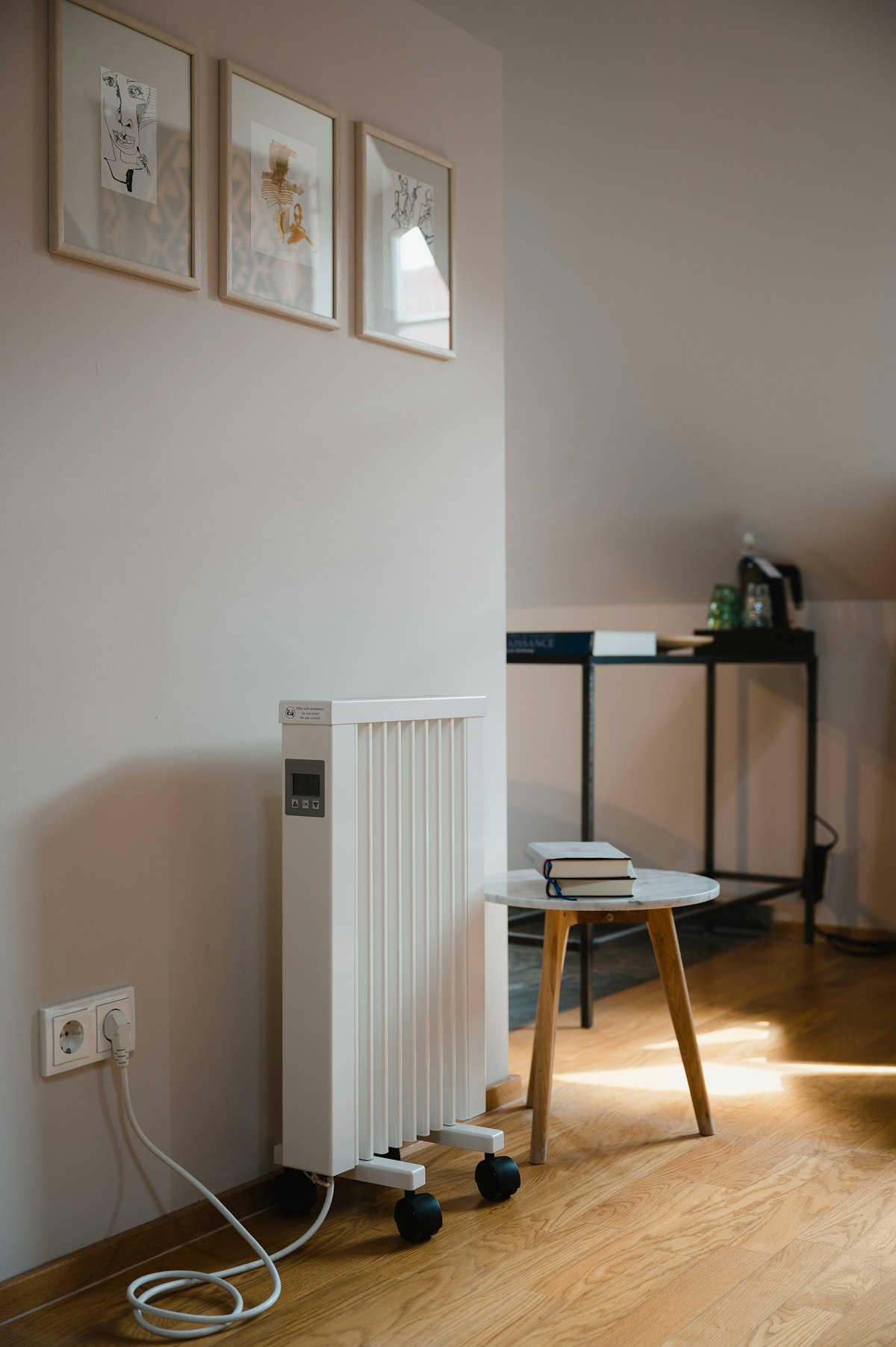
Before you buy, measure the spot where it will stand and where it will live when folded. Then check:
- Drying space – listed in metres of rail. More is useful only if you can space clothes out; crammed rails dry slowly.
- Maximum load – usually given in kg. Stay under it, especially with wet towels and jeans.
- Folded size – the depth matters most if it's going behind a door or down the side of a wardrobe.
- Stability – wide feet or locking castors, especially with pets or children around.
- Cord length – Which? lists cords from about 132cm to 180cm. Pick a spot near a wall socket rather than relying on an extension lead.
Folding heated airer with timer
A built-in timer or auto shut-off makes it easier to run the airer for a set few hours while you're home, rather than leaving it on and forgetting. Check the listing for the exact timer settings.
Making it work in a rented flat
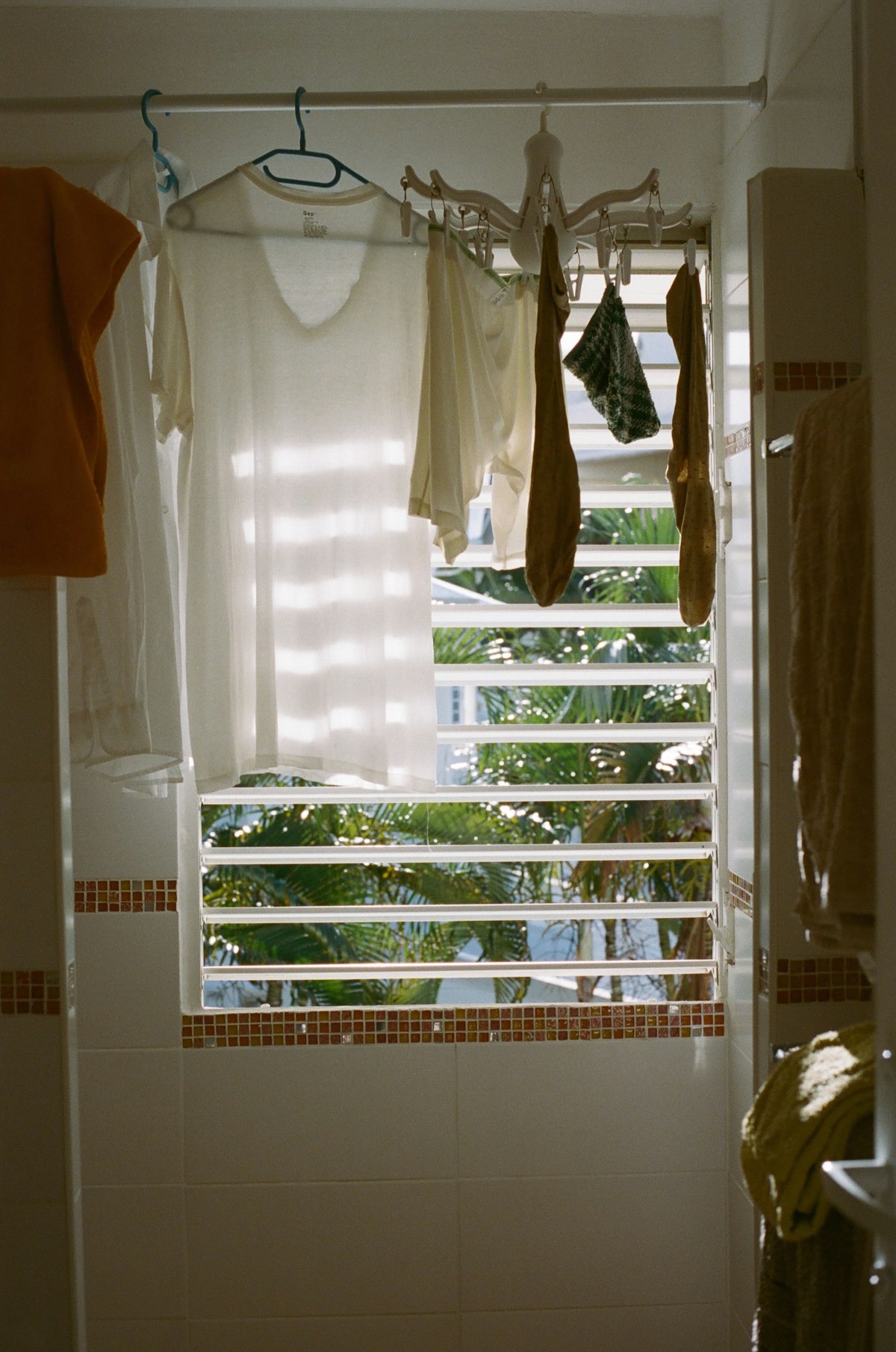
Every load of washing releases water into the air, and in a small flat that moisture ends up on cold windows and walls. Condensation and mould are common sources of end-of-tenancy disputes, so it's worth getting the routine right.
- Spin hard first – the drier clothes are going on, the less water goes into the room.
- Space items out and turn them – Which? notes that undisturbed laundry dries much more slowly. Turn thick items halfway through.
- Use the cover – it keeps warmth on the clothes rather than heating the room.
- Ventilate – dry in a room with the door shut and a window cracked open or an extractor fan on, not in a bedroom you sleep in.
A dehumidifier alongside the airer
A dehumidifier pulls moisture out of the air while the washing dries, and some have a dedicated laundry mode. It adds to the electricity bill, but in a damp flat it helps protect walls, windows and your deposit.
Which? estimated a heated airer at around 7p an hour – roughly £55 a year for three small loads a week, based on September 2025 prices of 24.67p per kWh. Treat that as approximate; your tariff and loads will differ.
Staying safe
Heated airers run at low temperatures, but they're still electrical heaters. Which? passes on the advice most brands give:
- Don't leave it running overnight or while you're out.
- Don't overload it, especially with thick, heavy items.
- Keep it away from curtains and soft furnishings.
- Plug it straight into a wall socket and avoid cheap extension leads.
Read the maker's instructions too – they set out what the airer is and isn't designed for.
Useful extras
A replacement airer cover
If your airer didn't come with one, a separate cover can make a real difference. Check the dimensions against your airer, as covers are usually made for a specific shape.
Mini moisture absorbers
Cheap tubs of crystals for wardrobes and windowsills that soak up some background damp. They won't do what a dehumidifier does, but they help in cupboards near the drying spot.
A collapsible laundry basket
Folds flat when it's empty – handy when floor space is already taken up by the airer.
Short on storage for the airer itself? See no-drill storage ideas for UK rentals for over-door hooks and slim spaces.